Featured
Unknown Facts About Is Women in the Armed Forces: Courage Beyond Limits Make Sense for Your Case
Table of Contents
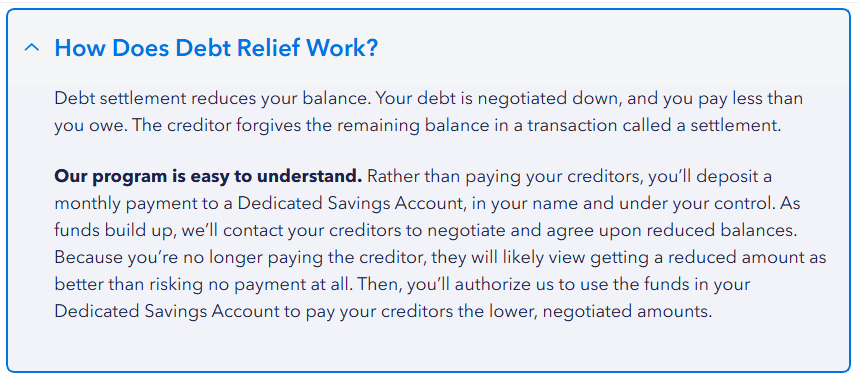
That maximizes cash in the brief term, and you may have three to four years to conserve towards the settlement amount. Really harmful to credit report, mostly as a result of missed payments and a negative "resolved" mark that might stay on your credit history record for approximately seven yearsMay be only alternative if various other options (financial debt consolidation, balance transfer charge card, financial debt mercy) aren't possibleTypically needs a charge to the 3rd event, which might counter some or all of the cost savings from financial debt settlementMay assist you stay clear of personal bankruptcy if you have actually missed out on numerous paymentsNot all creditors deal with financial debt negotiation firms Debt forgiveness might be appropriate for you if you are experiencing a monetary challenge that makes it nearly difficult to pay for your financial debt balances.
With a DMP, you make one monthly payment to the credit history therapy firm. Those funds are after that distributed to lenders of your unprotected financial obligations, such as credit rating cards and installment finances. The firm collaborates with your lenders to minimize rate of interest prices or forgo fees, yet some creditors may refuse such giving ins.
A financial debt combination finance combines your qualified debts right into one new loan. It can help you pay for financial obligation if you're able to secure a financing rate that's lower than the typical price of the accounts you're consolidating. Nonetheless, you need to refrain from acquiring debt on those freshly cleared accounts or your financial obligation might grow even greater.
That provides you plenty of time to get rid of or dramatically minimize your equilibrium while making interest-free settlements.
A Biased View of What's Next in Women in the Armed Forces: Courage Beyond Limits and Consumer Options
You might need it if your lender or a debt collector ever before tries to gather on the debt in the future. The letter could confirm you don't owe what the collection firm's records show. Yes, most of the times, the internal revenue service takes into consideration forgiven financial debt as taxable earnings. When a lending institution forgives $600 or more, they are called for to send you Form 1099-C.
Financial obligation forgiveness or negotiation almost always injures your debt. Anytime you resolve a debt for much less than you owe, it might appear as "settled" on your credit report and affect your credit report score for 7 years from the day of negotiation. Your credit score can likewise go down considerably in the months bring about the forgiveness if you fall behind on settlements.
An Unbiased View of Establishing Post-Women in the Armed Forces: Courage Beyond Limits Budget That Protects You
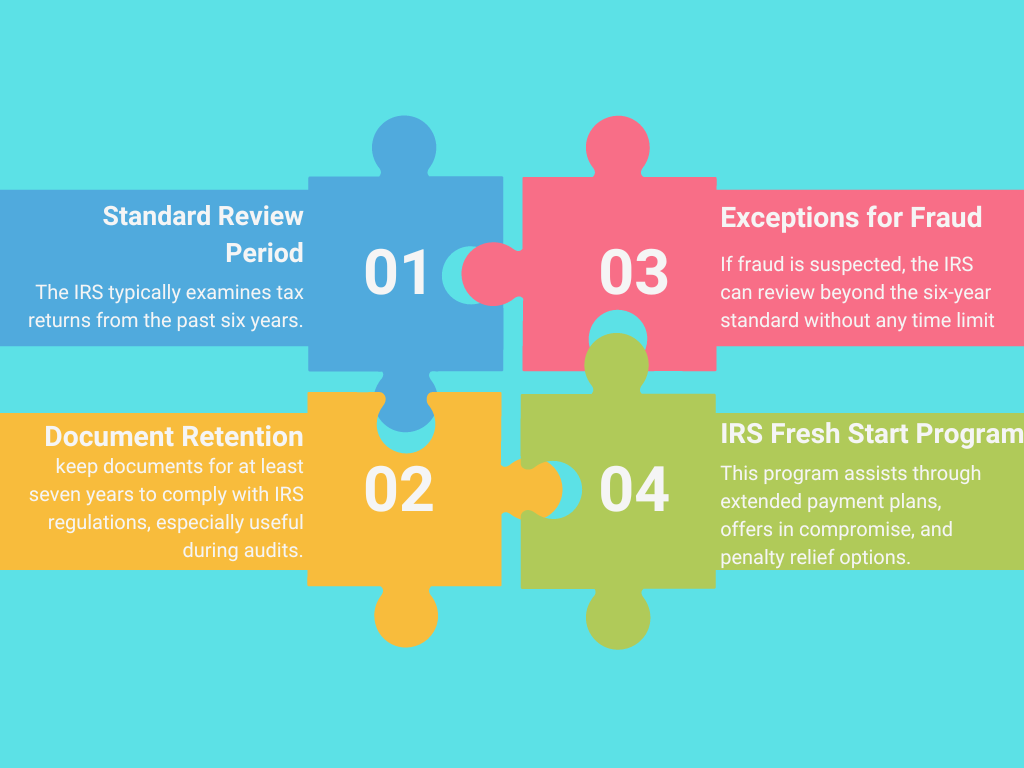
Tax financial debt compromise programs Tax debt happens when the quantity of tax obligations you owe surpasses what you have paid. This scenario frequently arises from underreporting revenue, not submitting returns promptly, or inconsistencies discovered during an internal revenue service audit. The effects of building up tax financial debt are severe and can consist of tax obligation liens, which provide the internal revenue service a lawful insurance claim to your property as safety for the debt.
Incomes and Financial institution Accounts Internal revenue service can impose (take) salaries and financial institution accounts to satisfy the debt. Home Seizure In extreme instances, the Internal revenue service can take and sell home to cover the financial obligation.
Anxiety, stress and anxiety, and other psychological health and wellness problems. Social Preconception Facing lawful activity from the internal revenue service can bring social stigma. Damages to reputation and connections. Employment Opportunities An inadequate credit history as a result of exhaust debt can restrict employment possibility. Problem finding or keeping a job. Government Advantages Tax obligation debt might impact qualification for government benefits, such as Social Safety and Medicaid.
The Single Strategy To Use For The Benefits to Consider of Bankruptcy
The OIC thinks about several variables, including the taxpayer's income, expenditures, possession equity, and capability to pay. Effectively discussing an OIC can be complicated, needing an extensive understanding of the internal revenue service's standards and a strong argument for why your offer lines up with your capability to pay. It is essential to note that not all applications are accepted, and the process requires comprehensive monetary disclosure.
The IRS evaluates your overall economic circumstance, including your revenue, expenses, property equity, and capability to pay. You have to likewise be present with all declaring and payment needs and not be in an open insolvency case. The internal revenue service likewise considers your compliance history, reviewing whether you have a record of prompt filing and paying taxes in previous years.
About Market Conditions That Affect How More Americans Need Are Seeking Debt Forgiveness
The application process for an Offer in Concession entails several thorough actions. You need to finish and send Internal revenue service Form 656, the Deal in Compromise application, and Type 433-A (OIC), a collection information statement for individuals. These types call for thorough monetary info, consisting of information about your revenue, financial obligations, expenses, and possessions.
Back taxes, which are unpaid taxes from previous years, can substantially boost your complete internal revenue service financial debt otherwise attended to without delay. This debt can build up rate of interest and late payment fines, making the original quantity owed much larger gradually. Failure to pay back tax obligations can lead to the internal revenue service taking enforcement actions, such as releasing a tax lien or levy versus your residential or commercial property.
It is essential to resolve back taxes as quickly as possible, either by paying the sum total owed or by preparing a payment strategy with the IRS. By taking positive steps, you can stay clear of the accumulation of extra rate of interest and fines, and protect against extra hostile collection actions by the IRS.
One usual factor is the idea that the taxpayer can pay the total either as a round figure or via a layaway plan. The internal revenue service also takes into consideration the taxpayer's revenue, costs, property equity, and future earning possibility. If these aspects indicate that the taxpayer can pay for to pay more than the used amount, the IRS is likely to deny the deal.
Little Known Questions About Actual Stories of Bankruptcy Counseling Recipients.
Dealing with Internal revenue service financial debt can be complex and daunting. Tax specialists, such as CPAs, tax attorneys, or enrolled agents, can provide indispensable aid.

Latest Posts

Knowing Your Consumer Rights From Collectors in 2026
Preventing Aggressive Debt Collector Harassment in 2026

How to Apply for Bankruptcy in 2026